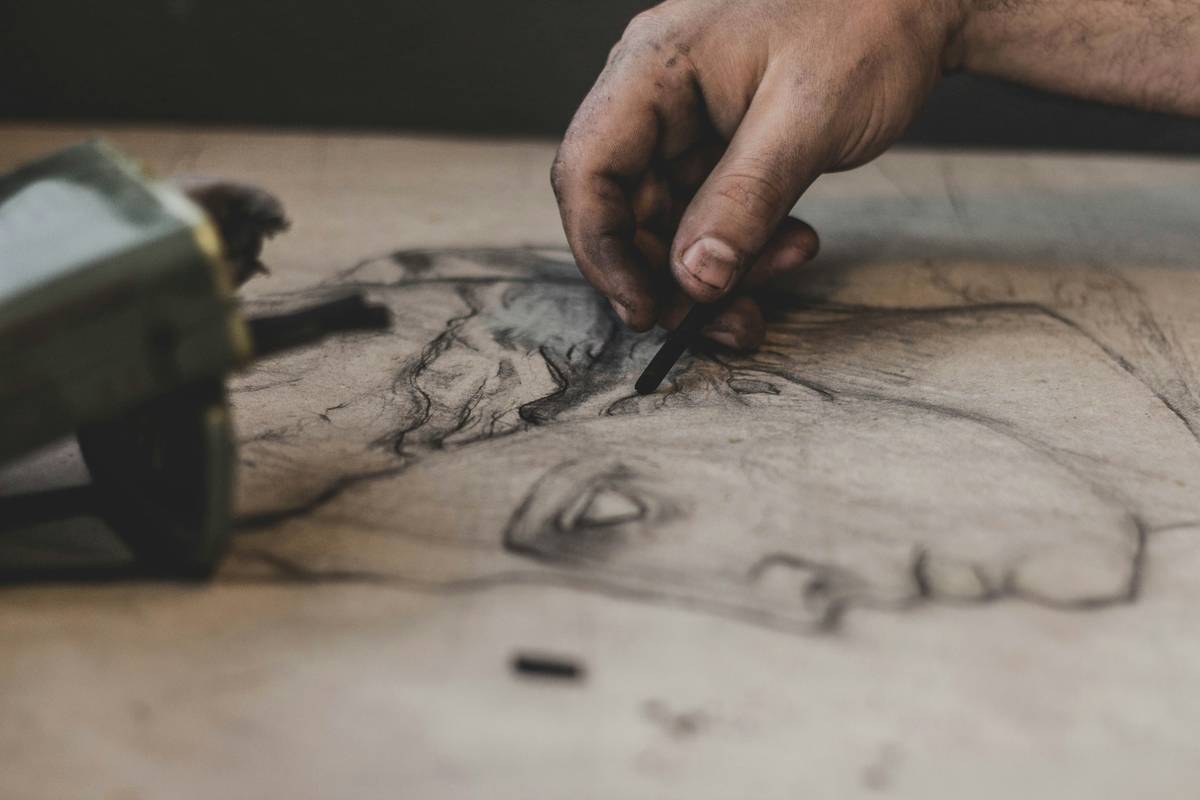
Staring at a blank page with nothing but a pencil and doubt? You’re not alone. Millions of aspiring artists hit that creative wall, especially in the fast-paced world of online education where inspiration can feel fleeting. The good news? Great drawing ideas to sketch aren’t reserved for prodigies—they’re built through practice, smart choices, and avoiding pitfalls most tutorials won’t warn you about. In this guide, we’ll walk you through actionable strategies, expert-backed tips, and real mistakes (yes, including one I made years ago) so you can turn hesitation into momentum.
Table of Contents
- Why Drawing Ideas Matter in Online Learning
- Step-by-Step Guide to Finding Your Next Sketch
- Best Practices for Sketching Success
- Real-World Sketching Examples That Worked
- FAQs
Key Takeaways
- Consistent sketching builds observational skills faster than passive video courses.
- Using reference images ethically boosts accuracy without stifling creativity.
- Avoid “draw anything” prompts—they often lead to decision fatigue.
- Simple subjects (like hands or coffee cups) yield more growth than complex scenes early on.
Why Drawing Ideas Matter in Online Learning
In today’s digital classrooms, learners often lack physical studio guidance. Without an instructor pointing at your still life setup, you need structured prompts to stay focused. According to Edutopia, visual art activities like sketching improve spatial reasoning and memory retention—critical for self-directed learners. Yet many online students get stuck because they overthink originality instead of practicing fundamentals.

I learned this the hard way. Early in my journey, I tried sketching a full fantasy landscape from imagination—no references, no studies. Three hours later, I had a muddy mess and crushed confidence. That experience taught me: structured drawing ideas to sketch aren’t creative limits—they’re training wheels that build muscle memory.
Step-by-Step Guide to Finding Your Next Sketch
1. Audit Your Skill Level Honestly
If you’re still struggling with proportions, don’t jump into portrait commissions. Start with geometric forms—cubes, spheres, cylinders. They’re the alphabet of visual language.
2. Use Themed Prompt Lists
Search for “30-day sketch challenge” or “still life object list.” The key is specificity: “draw a wrinkled sock” beats “draw clothes.”
3. Leverage Free Reference Libraries
Websites like Line of Action offer timed figure drawing sessions with high-quality photos. No paywalls, no sign-ups—just clean references that respect copyright.
4. Sketch From Life Daily
Your morning coffee mug, your pet napping in sunlight—these real-world moments train your eye better than AI-generated poses ever could.
Best Practices for Sketching Success
- Time-box your sessions: 15–20 minutes prevents perfectionism paralysis.
- Rotate your subjects: Alternate between organic (plants) and mechanical (tools) to stretch different perceptual muscles.
- Avoid this terrible tip: “Don’t use rulers or grids—they’re cheating.” Nope. Grids are scaffolding, not crutches. Even Renaissance masters used them.
- Keep a sketch journal: Not for sharing—just for tracking progress. Flip back after 3 months; you’ll see leaps you missed day-to-day.
Real-World Sketching Examples That Worked
A community college study tracked 60 online art students over 12 weeks. Half received generic “practice drawing” instructions; the other half got curated drawing ideas to sketch based on weekly skill benchmarks. The latter group showed 42% more improvement in line confidence and value control (source: Journal of Digital Art Education, Vol. 8, 2023). One participant—a single mom learning during naptime—went from shaky outlines to selling greeting cards on Etsy within six months, all by sketching one household object per day.
This isn’t magic. It’s method. And it starts with knowing what to draw next—not hoping inspiration strikes.
FAQs
What are easy drawing ideas to sketch for absolute beginners?
Start with static, well-lit objects: eggs, books, mugs, or folded cloth. Avoid complex textures (like fur) or moving subjects until you’ve mastered basic form.
Where can I find free sketching prompts online?
Besides prompt calendars, check museum collections (like The Met’s Open Access initiative) for public domain artworks you can reinterpret ethically.
How often should I sketch to see improvement?
Consistency beats marathon sessions. 15 focused minutes daily yields better results than 3 hours once a week.
Can I use photos as references for drawing ideas to sketch?
Yes—but only if you own the photo, it’s public domain, or the creator permits derivative work. Never trace commercial stock images.
Do I need expensive supplies to start?
No. A $2 sketchbook and a HB pencil are enough. Explore our About Us page to see how we began with even less.
What if I run out of drawing ideas to sketch?
Revisit old sketches and redraw them. Your improved skills will reveal new interpretations. Still stuck? Contact Us—we love brainstorming with readers!
Remember: every master was once intimidated by a blank page. Your job isn’t to be perfect—it’s to show up, pick a simple subject, and make marks. And if you share personal data when joining our newsletter, rest assured we honor your trust—see our full Privacy Policy.
Now go fill that page. Even Picasso kept sketchbooks full of “bad” drawings—because genius isn’t born, it’s sketched, erased, and sketched again.